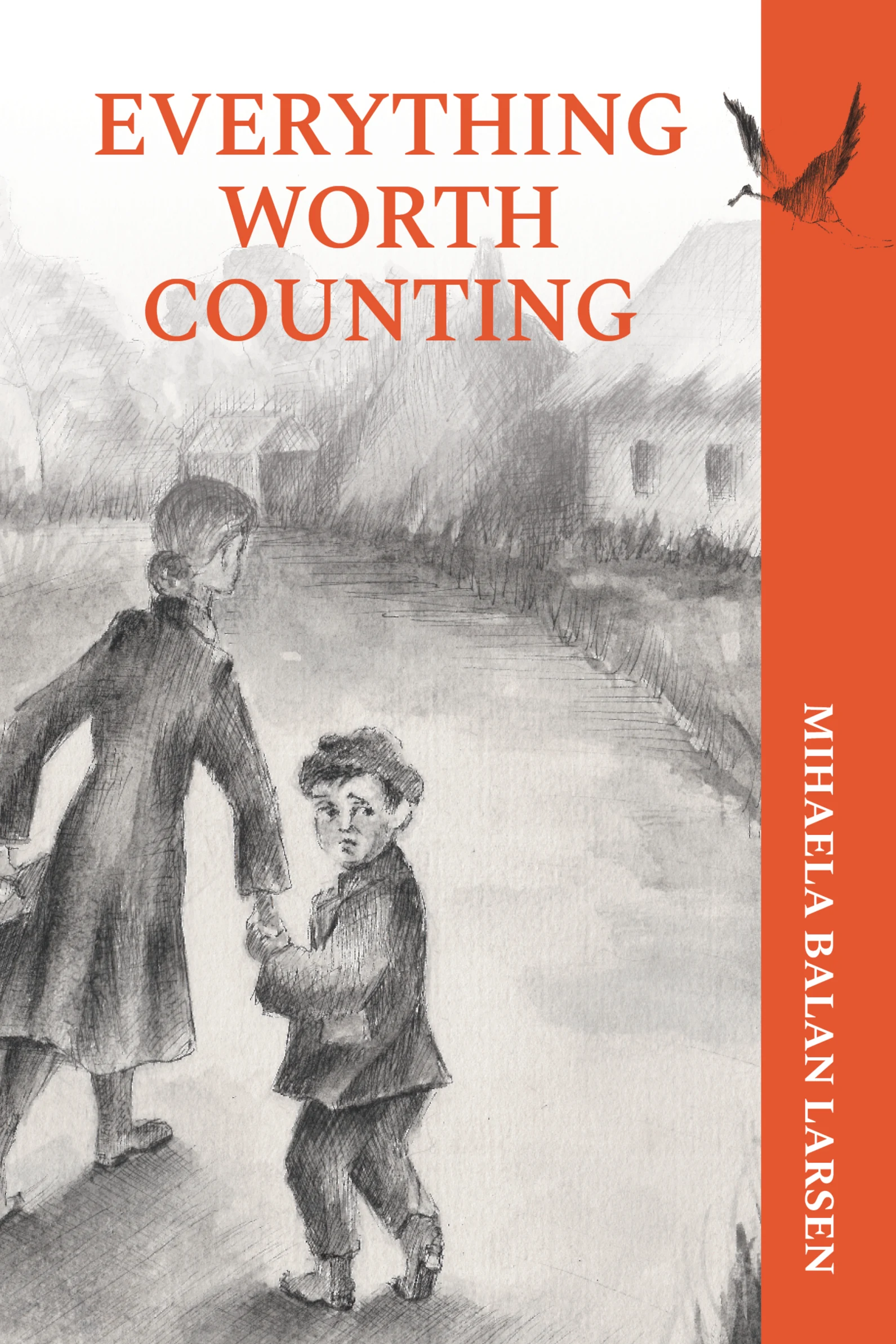
Buy Your Copy Today!
A Mother and Son's Journey
A story inspired by real events and places of a Romanian boy who takes his mother's hand and follows her on a journey from the ruins of their home in 1970s Romania to the dream of a new life in Barcelona.
Alex is ten years old when the Vrancea earthquake reduces his home to rubble, taking with it his father and his best friend. Suddenly, it is only him and his mother, Eva, left in the ruins.
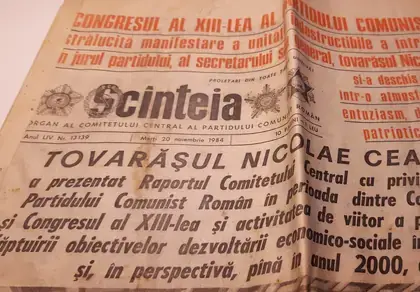
With Ceaușescu tightening his grip on a fearful nation, they take refuge at his grandparents' home in the countryside. Alex struggles to adapt to rural life, while Eva, in the midst of uncertainty about their future, is secretly plotting their escape.
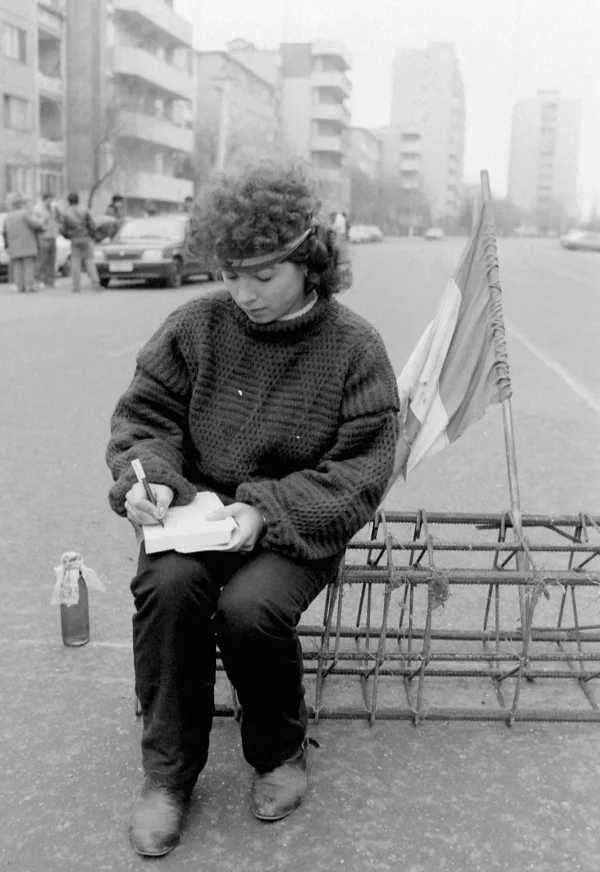
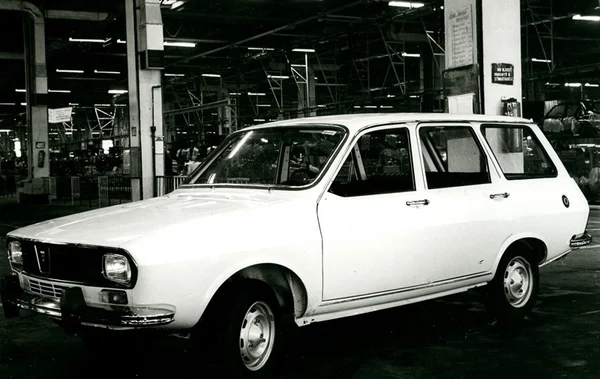
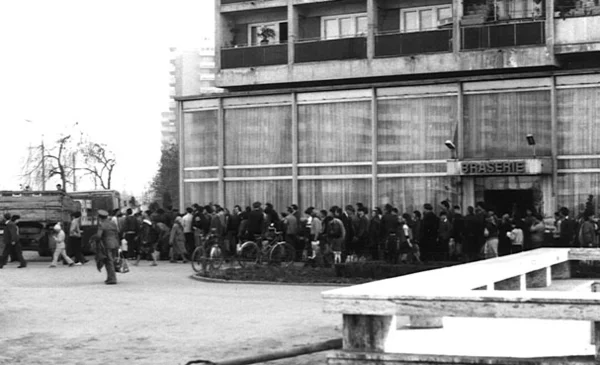
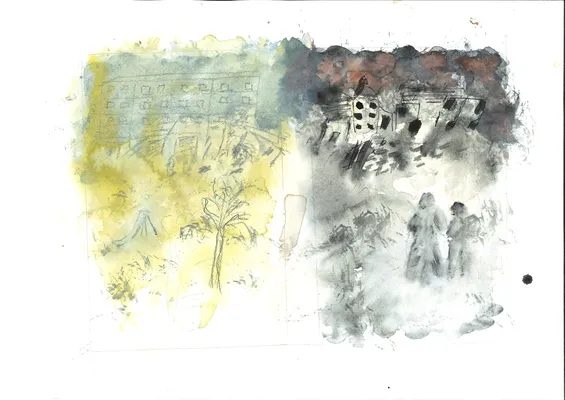
"Your book touched me more than I expected. I felt a lot of sincerity in Alex's story and the relationship with his mother. It's that kind of connection that stops you from reading to breathe. I still have passages in my mind that reminded me of my childhood, of the loss of simple but essential things in life we take for granted. I liked the way you wrote: without any artificial words, but lots of emotion and truth. I can feel that the book comes from a profound personal place of yours."
— Daniela, Reader
Buy Your Copy Today!
A Mother and Son's Journey
A story inspired by real events and places of a Romanian boy who takes his mother's hand and follows her on a journey from the ruins of their home in 1970s Romania to the dream of a new life in Barcelona.
For readers who want to be carried back to childhood memories, dive into different cultures and traditions, adventure with a pinch of romance, and the gentle irony of a boy struggling to find himself.
Alex is ten years old when the Vrancea earthquake reduces his home to rubble, taking with it his father and his best friend. Suddenly, it is only him and his mother, Eva, left in the ruins.
With Ceaușescu tightening his grip on a fearful nation, they take refuge at his grandparents' home in the countryside. Alex struggles to adapt to rural life, while Eva, in the midst of uncertainty about their future, is secretly plotting their escape.
Letters from the author
Read the next book
before anyone else.
I only send letters when there is something worth saying. I’m working on a new book about the adventures of an unlucky 🐝.
Early chapters, updates and the first copy before it will be available anywhere else, will be to my newsletters subscribers. Be the first!
Praise
"Everything Worth Counting by Mihaela Balan Larsen is an amazing read that piqued my curiosity about Romanian history... This thought-provoking work expertly captured the importance of having a supportive family and community. I loved the steady pacing, which kept me intrigued and eager to discover the next twist in the flawlessly flowing plot."
— Frank Mutuma, Readers' Favorite
"The writing will resonate with every reader, as we can so clearly feel the emotions of both mother and child. What is it like to be homeless, dependent on the kindness of near strangers, and cope in a refugee camp? This story takes you there, with the highs, the lows, and the small victories."
— Lucinda E Clarke, Author of Amie: An African Adventure

REAL EVENTS AND PLACES FROM THE STORY
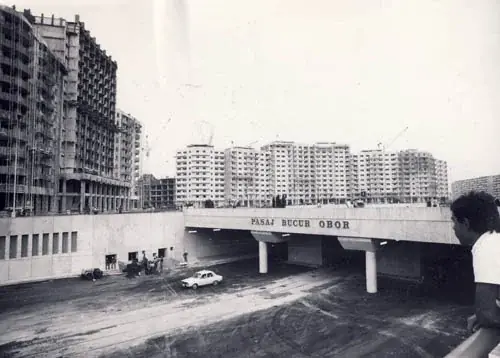
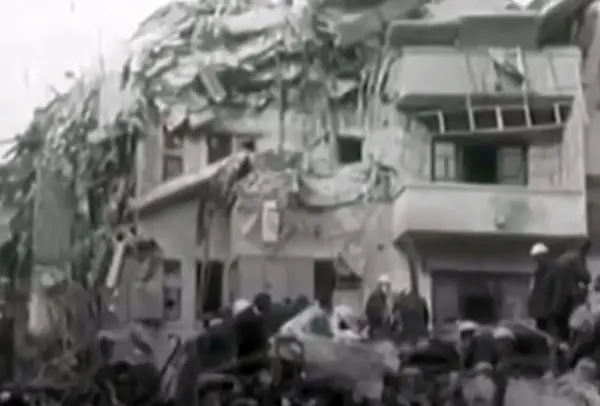
The 1977 Vrancea Earthquake
On the evening of March 4th, 1977, Romania was struck by a 7.4 magnitude earthquake. It lasted fifty-five seconds and caused widespread damage across the country, especially in Bucharest. This devastating natural disaster forms a pivotal moment in the story, forever changing the lives of Eva and Alex.

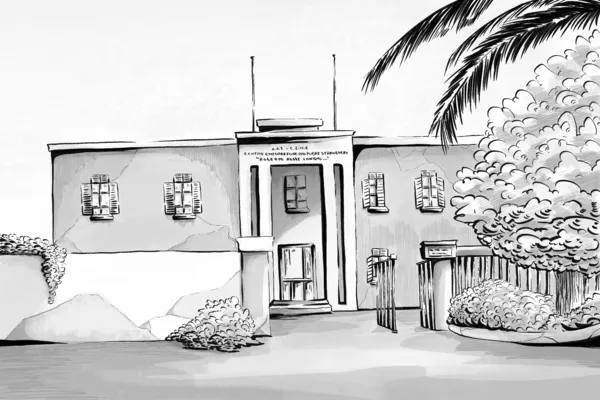
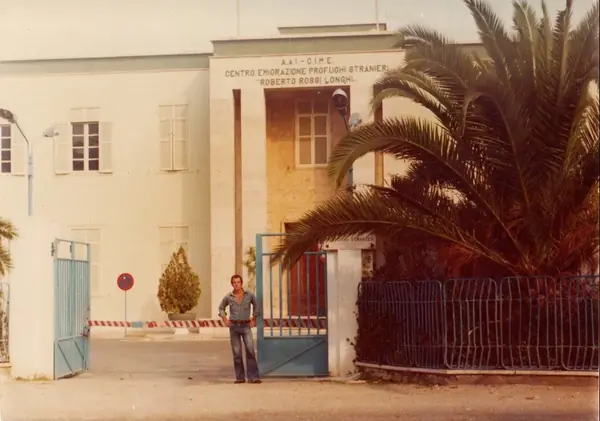
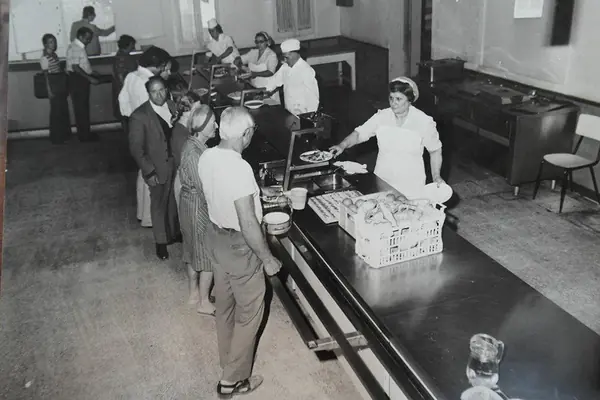
The Rossi-Longhi Refugee Camp in Latina, Italy
The "Rossi-Longhi" refugee camp in Latina, Italy (1957-1989), in the book simply known as Latina camp, received tens of thousands of refugees who escaped the communist regimes of Eastern Europe, from countries such as Bulgaria, Czechoslovakia, Yugoslavia, Poland, Hungary, Romania, and many others. After spending some months there, many refugees were relocated to countries like Canada, Australia, and the United States.
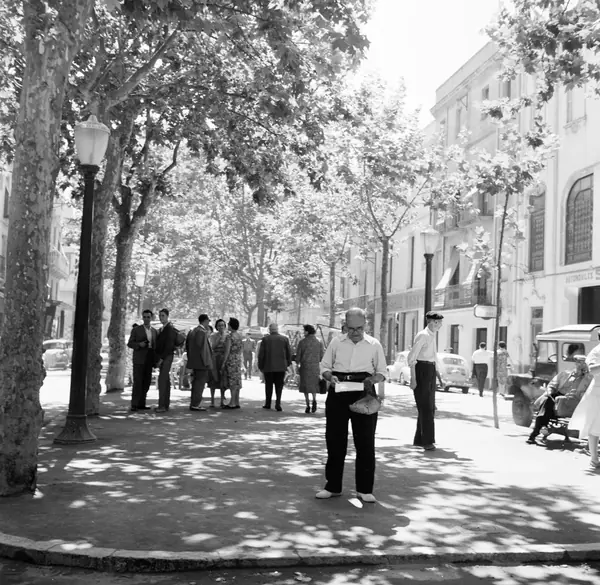
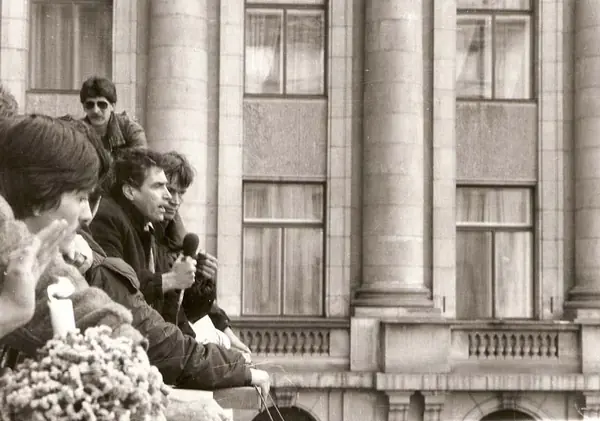
Barcelona's Gràcia District in 1978
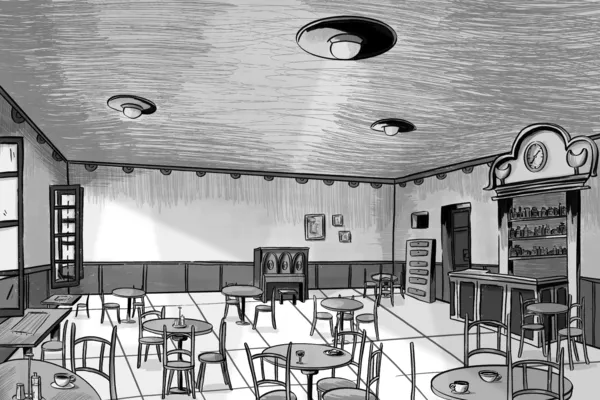
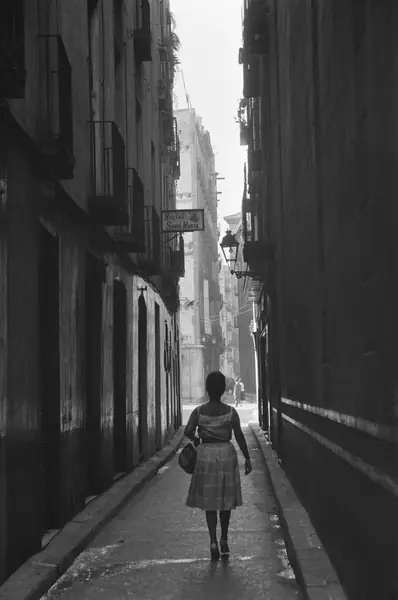
By 1978, Gràcia, once an independent municipality, was now fully part of Barcelona, yet it retained its vibrant neighborhood character. Plazas and bars buzzed with local chatter, and the narrow streets grew increasingly crowded and bustling. Occasionally, democratic messages hanging from balconies and graffiti scattered across walls hinted at a city testing its newfound freedoms. Laurent's house stood on Carrer de Verdi, alongside Atelier Mateo and many other familiar spots.